The social roots of subjectivity
A self is not an isolated point of view. Subjectivity emerges through bodies, language, shared practices and the ways in which other people address us.
Philosopher of mind · Author · Speaker
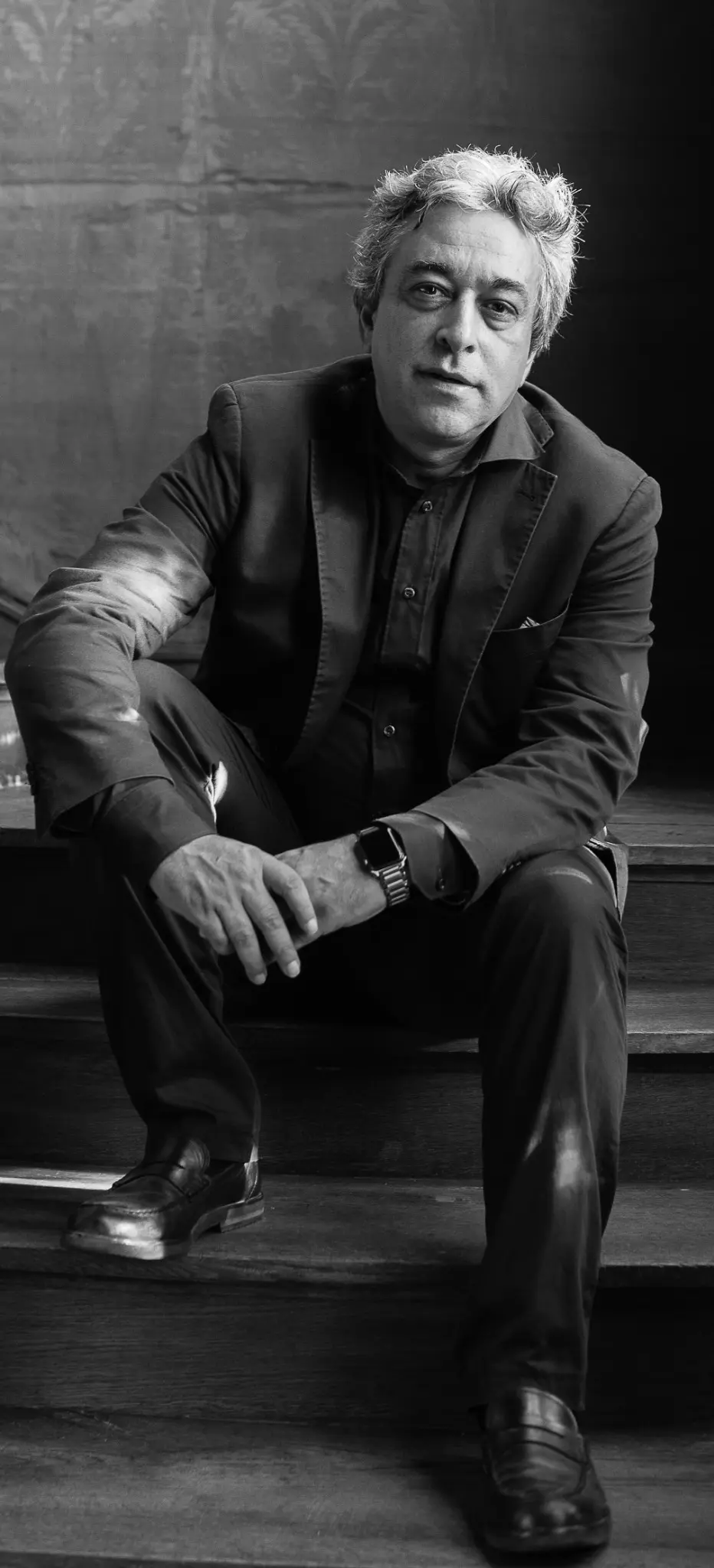
Pietro Perconti studies consciousness, self-consciousness and social cognition—and what artificial intelligence reveals about the boundaries of mind.
Minds are embodied, but they are also socially made.
Philosophy of mind for a world of other people, intelligent machines and changing forms of experience.Ideas
A self is not an isolated point of view. Subjectivity emerges through bodies, language, shared practices and the ways in which other people address us.
Understanding ourselves may depend on capacities first developed to understand others.
AI forces an old philosophical question into a new form: what, if anything, lies behind intelligent behaviour when there is no obvious subject to whom it belongs?
Language is more than a code for transmitting information. It carries the practical background through which people coordinate, interpret and inhabit a world together.
Selected work
Books
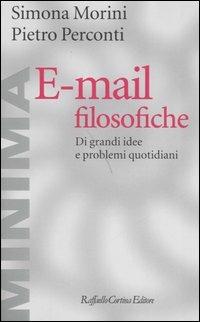
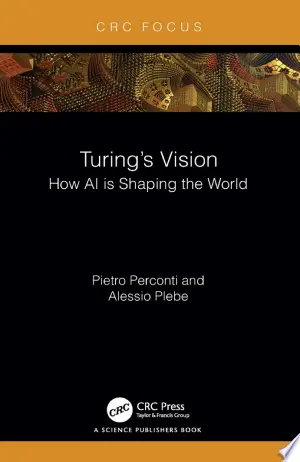
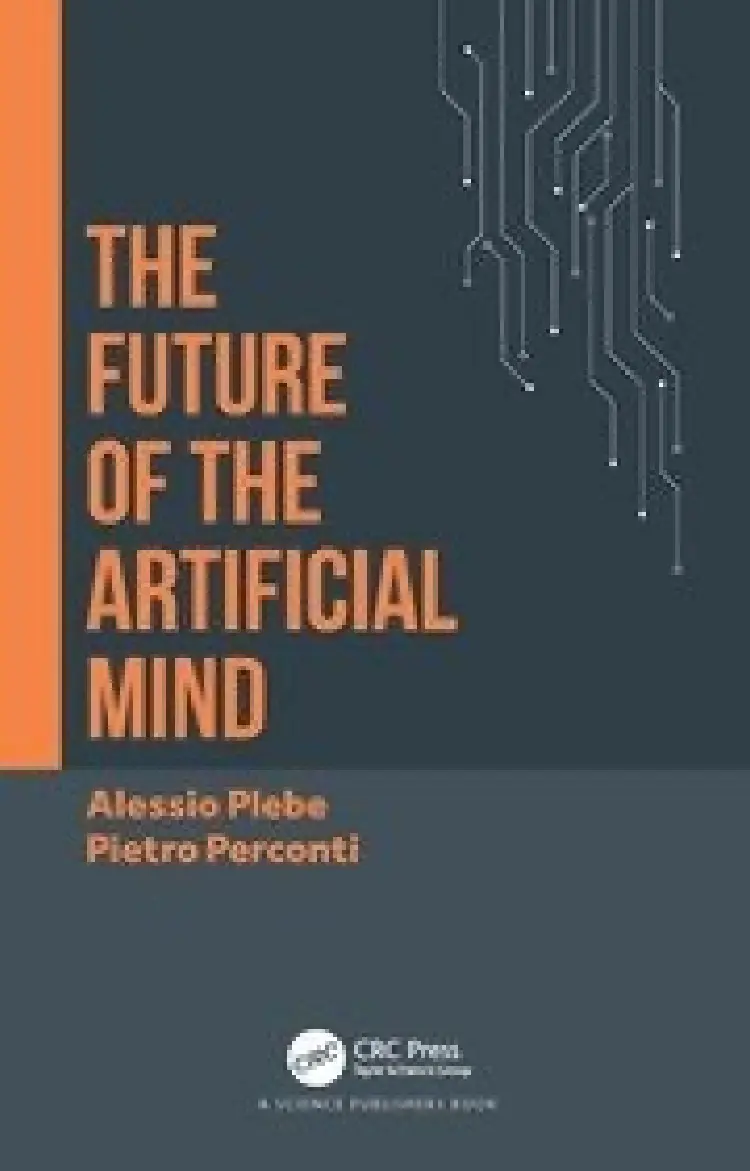
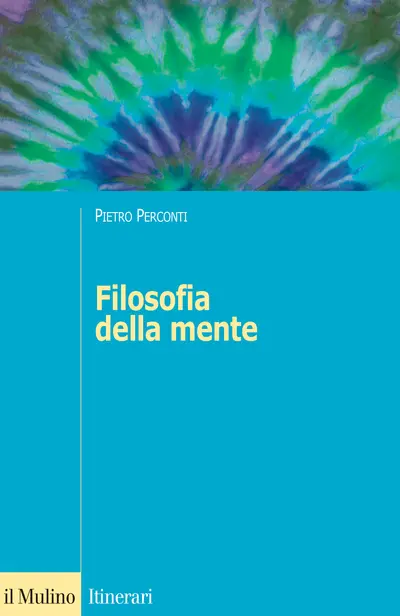
Books about consciousness, language, artificial intelligence and the ways cognitive science changes our image of ourselves.
About
Pietro Perconti is a Professor of Philosophy of Mind in the Department of Cognitive Science at the University of Messina, Italy. His main research areas include consciousness, social cognition, and the social role of cognitive science. He served as Deputy Vice-Chancellor for Teaching and Education at the University of Messina (2013–2018) and as Dean of COSPECS (Department of Cognitive Science, Psychology, Education, and Cultural Studies, University of Messina, 2018–2023). He has authored over one hundred scholarly articles and books in five languages. He has been invited to lecture at nearly 100 universities and research institutes in Italy and around the world. He co-founded the ICCS, the International Center for Consciousness Studies (hardproblem.it). He is a member of the NISC Lab, where AI, neuroscience, psychology and philosophy meet in the study of cognition.
Professor of Philosophy of Mind · COSPECS — Department of Cognitive Science, Psychology, Education, and Cultural Studies · University of Messina, Italy
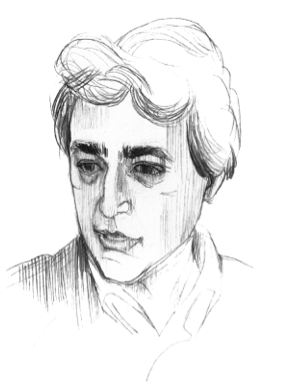 Drawing: Olga Lamdo
Writing and conversation across national newspapers, cultural magazines, radio and public events.
Explore the public workSchedule
Where I've been—and where I'll be going next.
Mekelle, Ethiopia
Hanoi University · National Economics University · Phenikaa University · Institute of Philosophy, Vietnam Academy of Social Sciences · Ritsumeikan Asia Pacific University
Summer school in Sozopol · ICUB workshop at the University of Bucharest
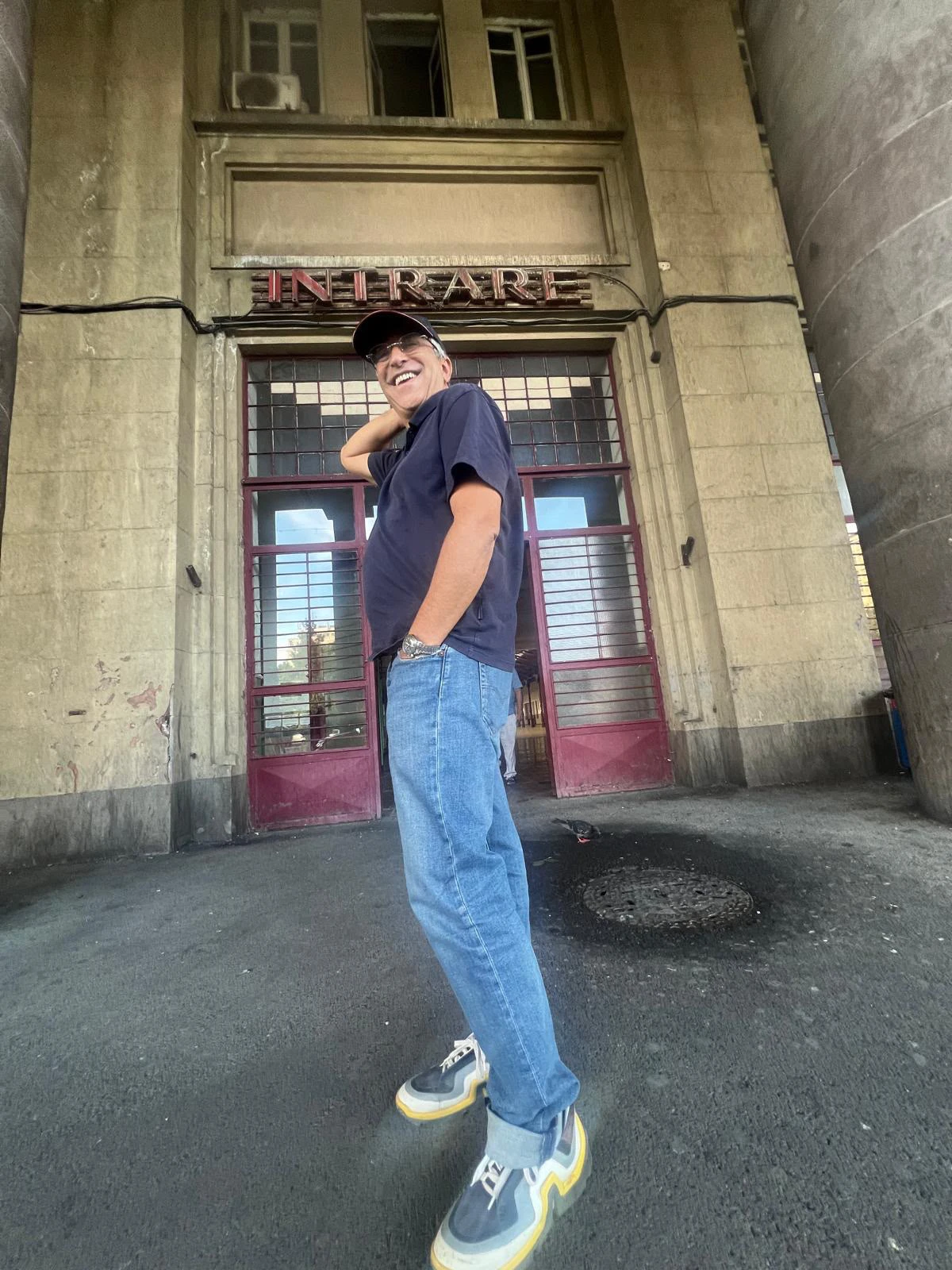
· Bulgaria & Romania
Two stops, connected by a shared question: how do social relations and technologies shape the ways we become someone? A summer school in Sozopol and a workshop in Bucharest offered occasions to discuss consciousness and human and artificial subjectivity with colleagues and students.
4–7 September · Sozopol, Bulgaria
At the summer school, my talk, The Self Is Between Selves: Enunciative Effects and First-Person Commitment, explored how speaking in the first person connects us to other people and to the commitments we undertake.
10 September · Bucharest, Romania
At the University of Bucharest, I joined the ICUB workshop organised by Alin Olteanu. My talk, What Technologies Stabilize: The First Person, the Bearer Problem, and Artificial Subjectivity, examined how technologies stabilise social practices and what this means for artificial subjectivity.
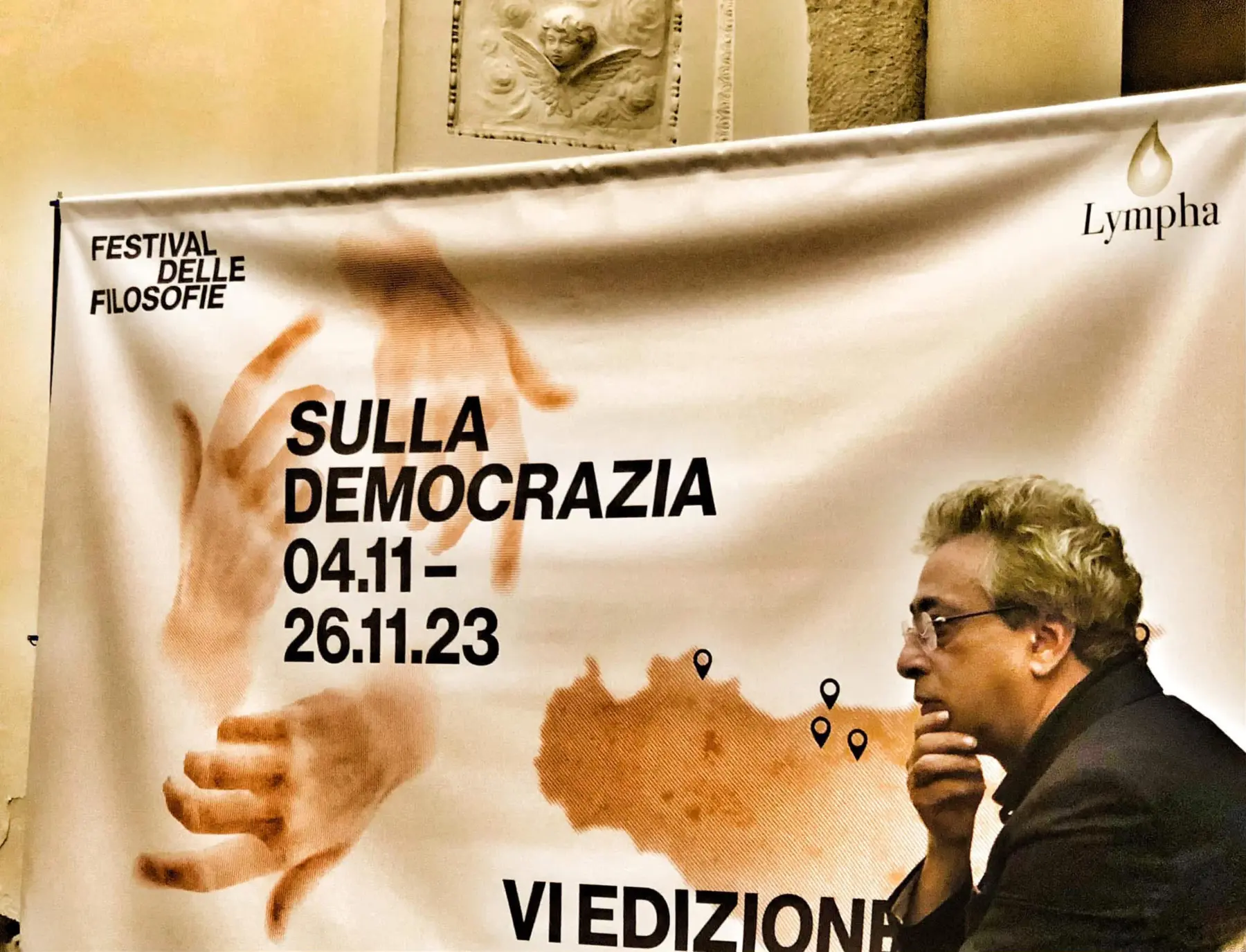
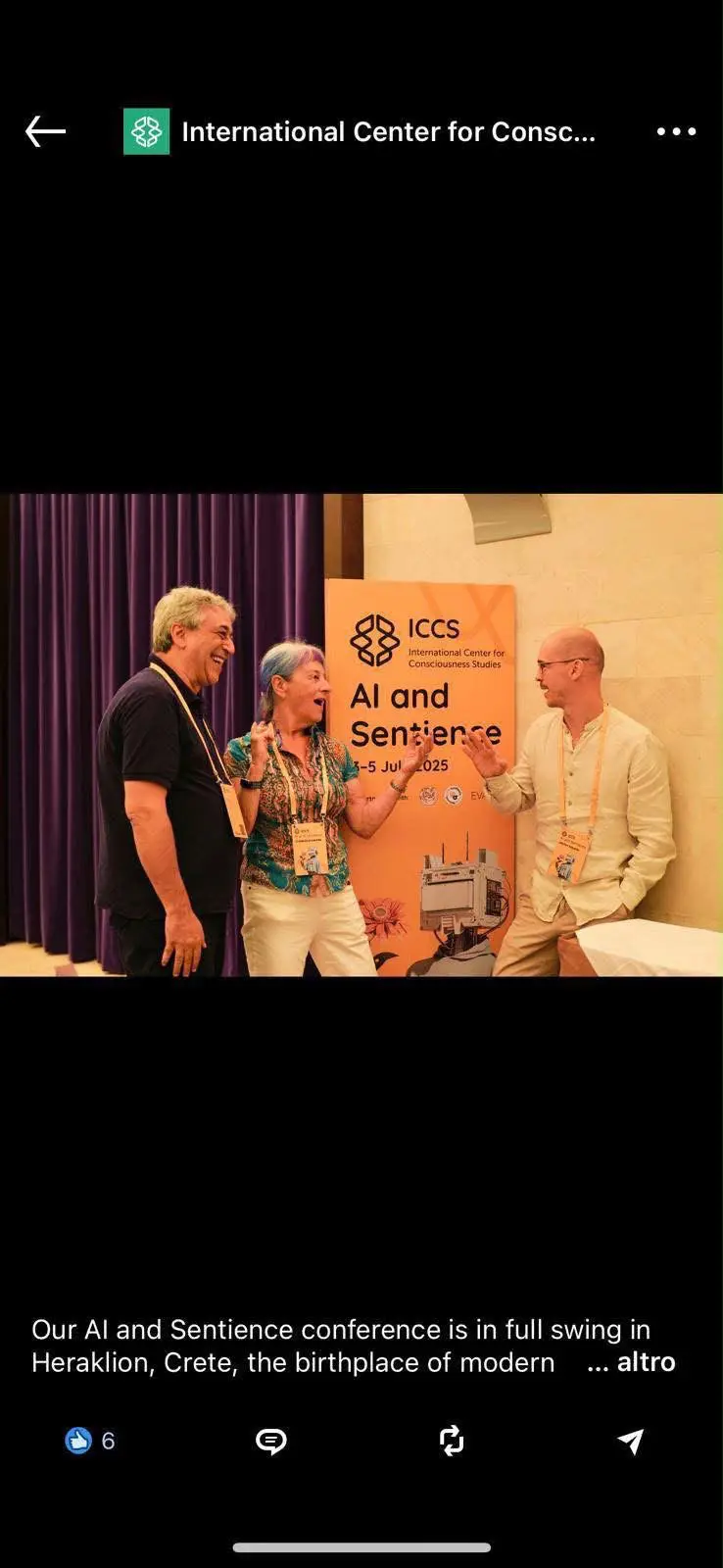
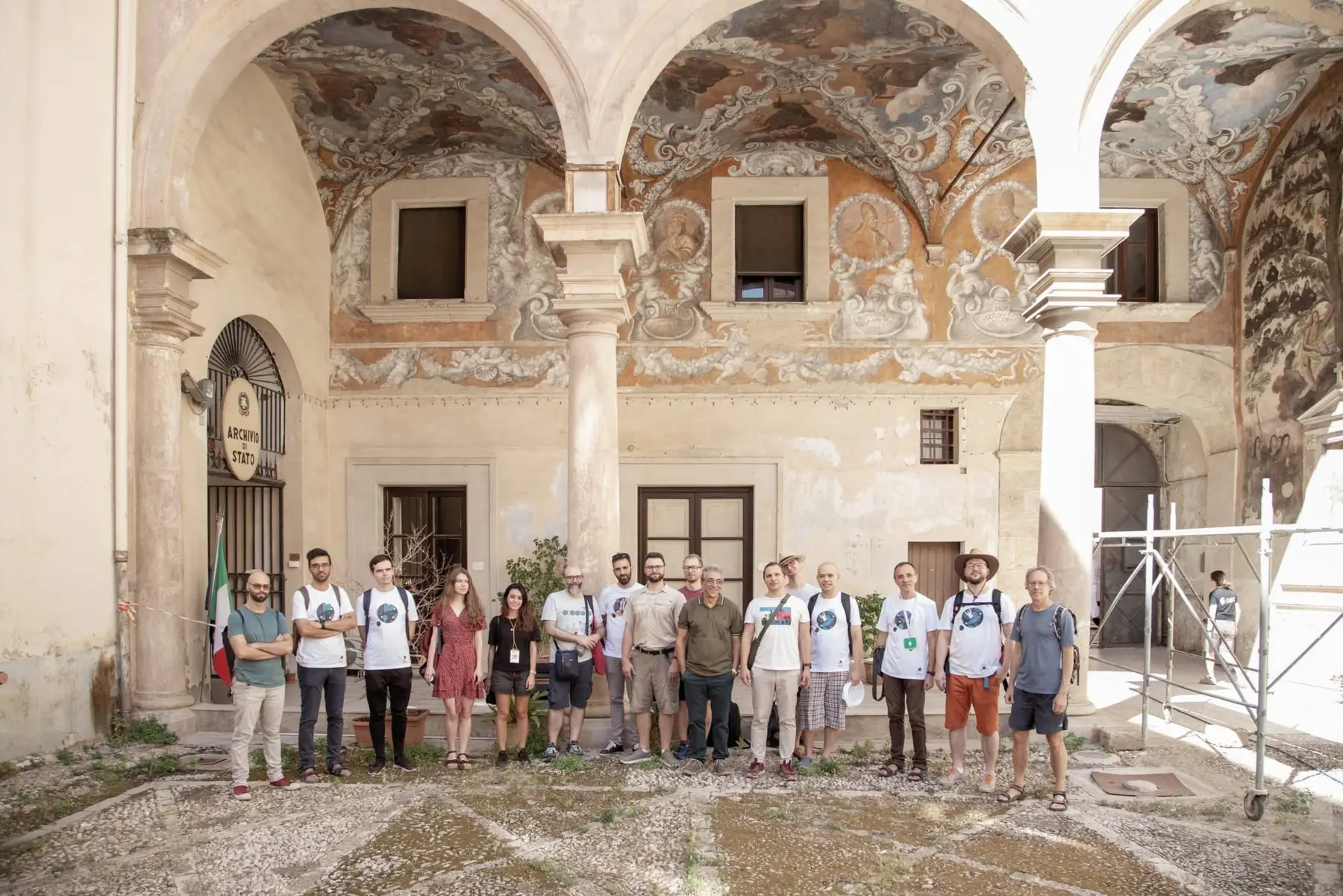
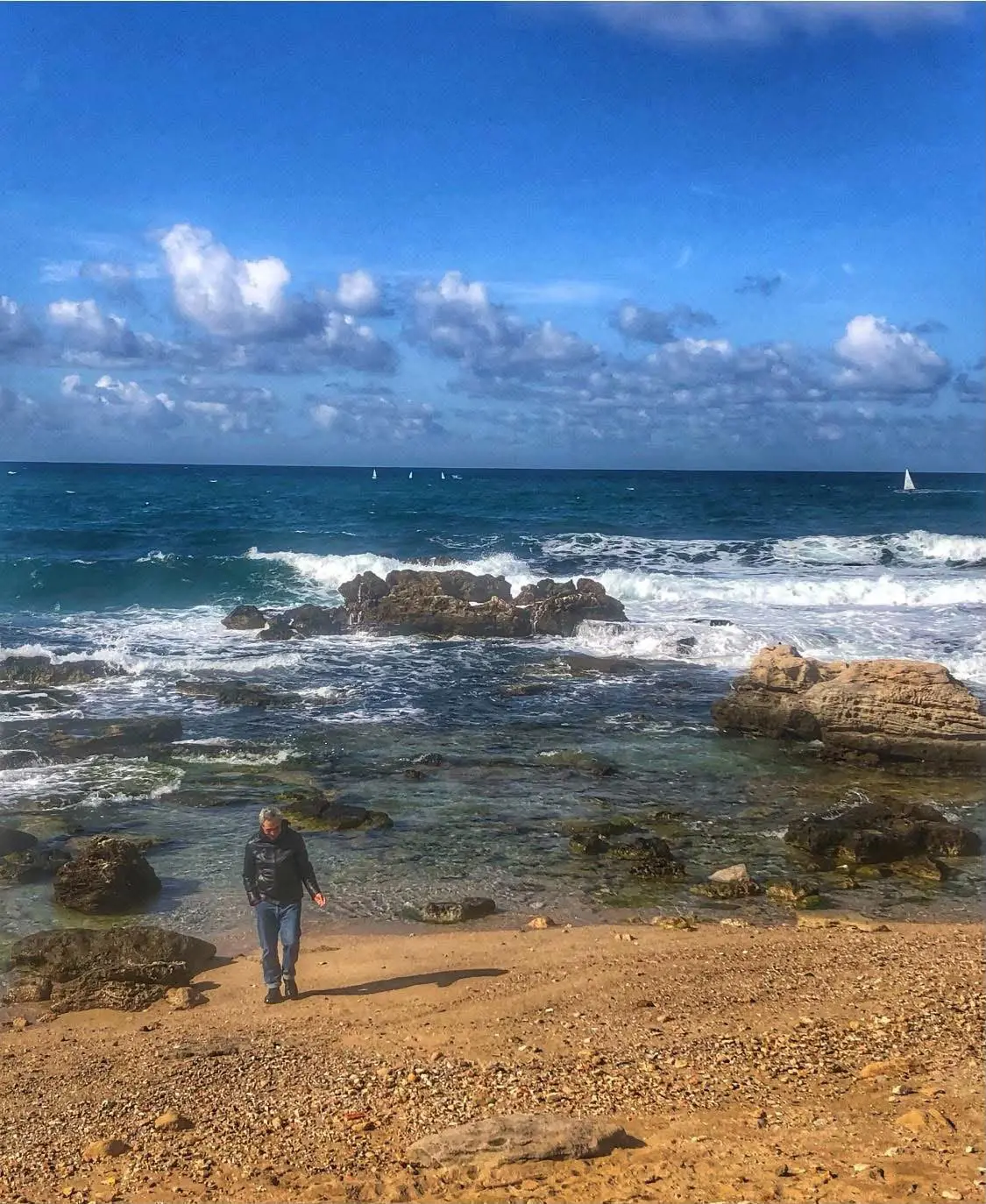
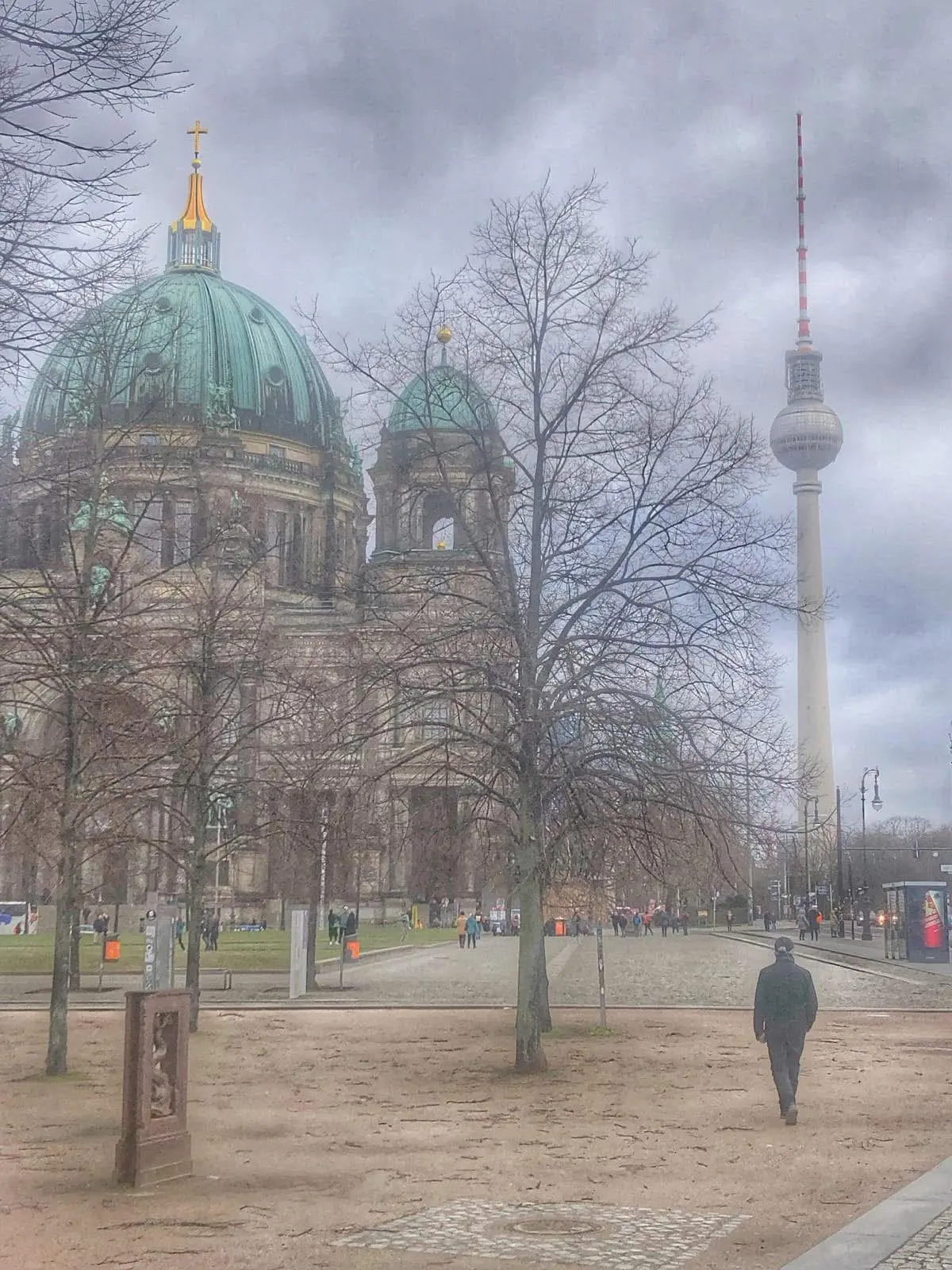
In pictures
Scenes from academic and public life—and from the journeys between them.


Public philosophy
Writing, broadcasting, festivals and public conversation across languages and borders.
“You are the only professional philosopher I know who is simultaneously an anti-mafia activist. Could you tell us a little about this side of your work?”
“My involvement as an anti-mafia activist began when I was a high school student. Palermo and Sicily at that time were ravaged by the challenge of the Mafia, which then had a significant role in the international drug trafficking. I have always been suspicious of philosophers' complacency about the futility of our job. On the contrary, I think philosophy should be a useful activity, in the sense of socially productive. This is not to say that every single philosophical inquiry needs to have an appreciable social effect, but that on the whole philosophical activity must be socially engaged.”
P. Perconti and E. V. Loginov, “Italian Philosophy, Consciousness and Sex with Robots. An Interview with Pietro Perconti,” Date Palm Compote, no. 19 (2024), pp. 91–99. Published in Russian; quotation translated into English.
Philosophy at cruising altitude
A helicopter conversation with Dmitry Volkov about machine consciousness—and whether humans might fall in love, and have sex, with artificial humans.
Podcasts & conversations
Listen & watchSelected public writing
Articles by Pietro PercontiHighlights · ICCS Rome 2026
3rd Annual Conference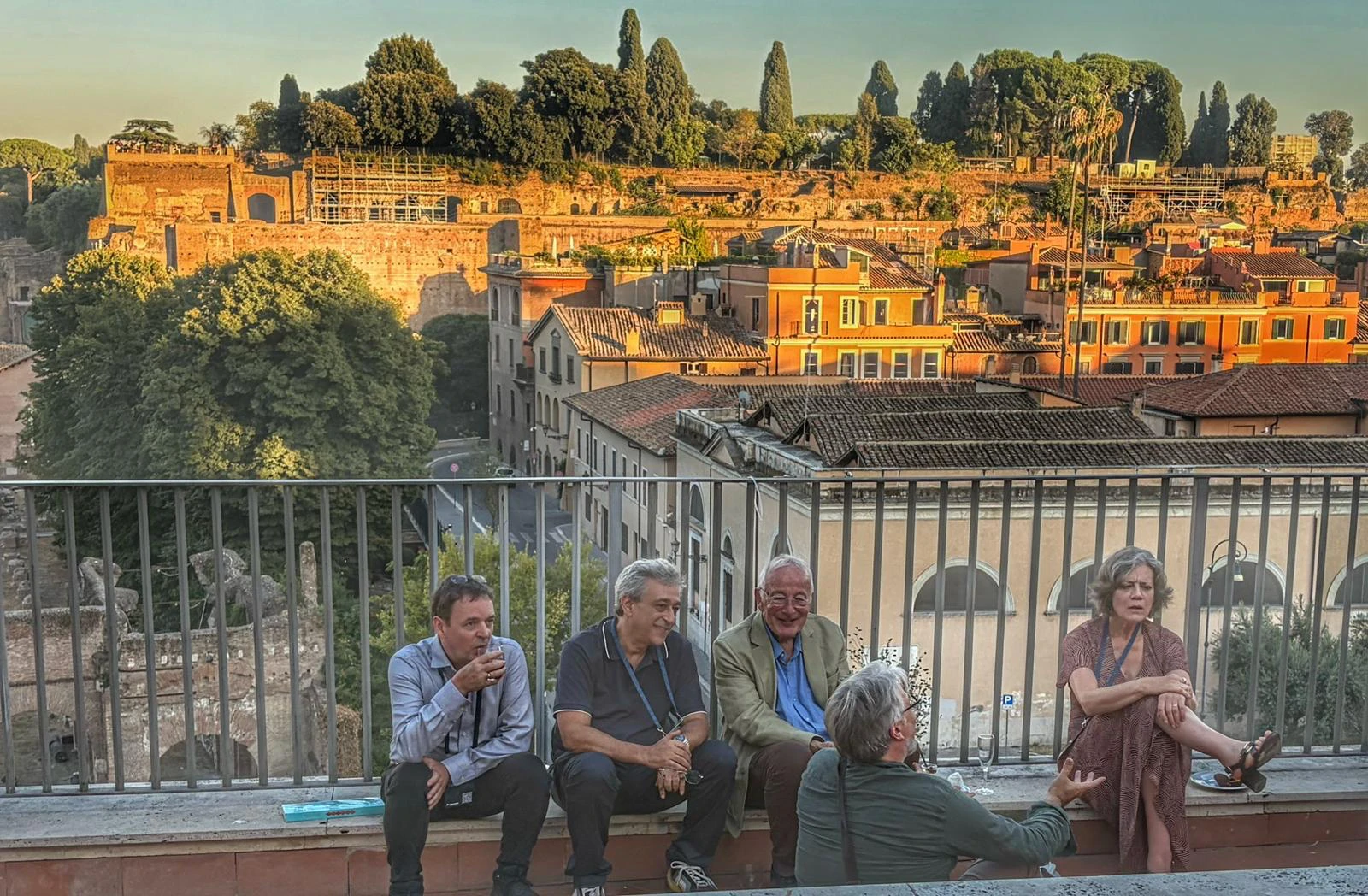
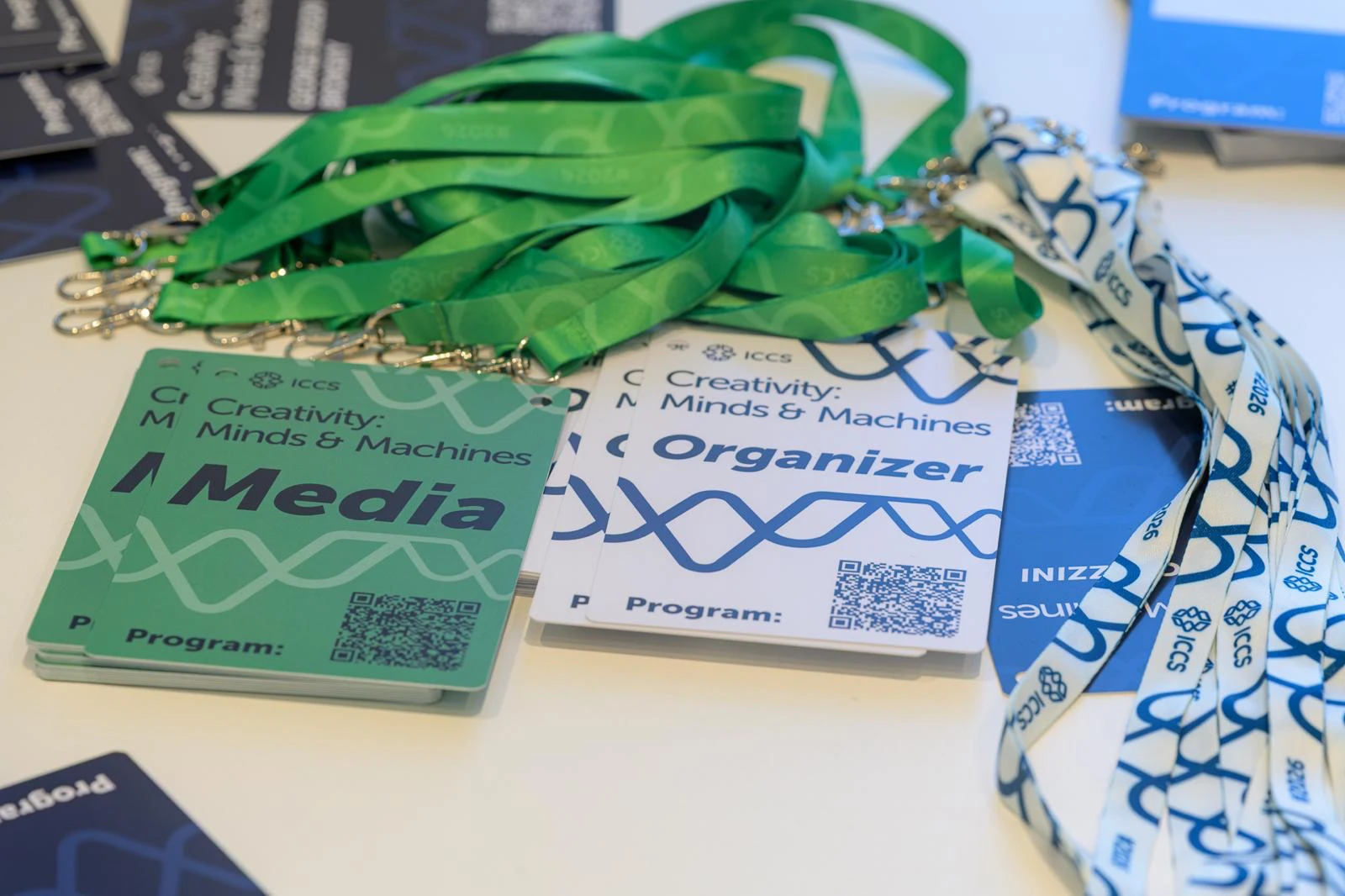
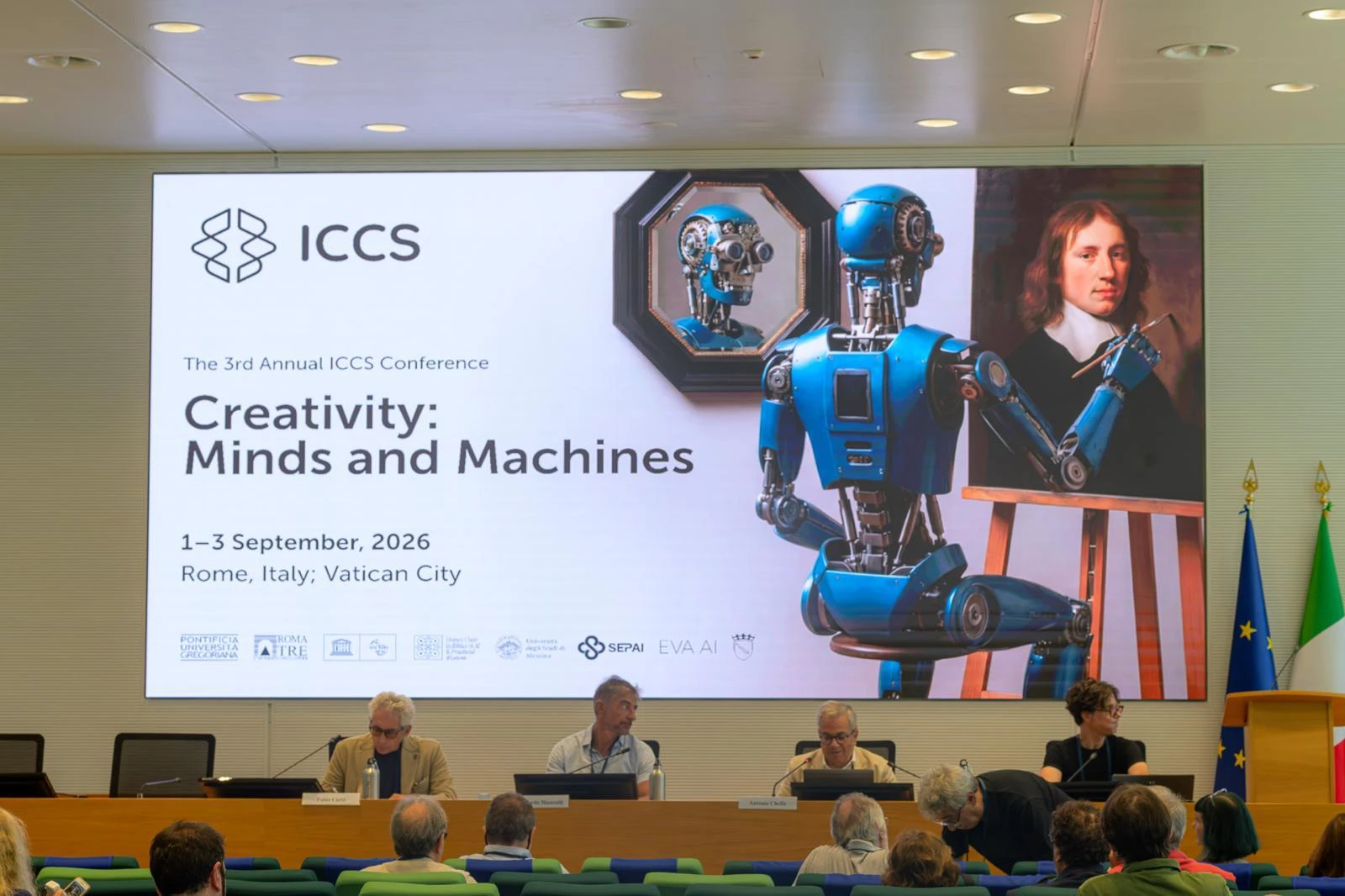
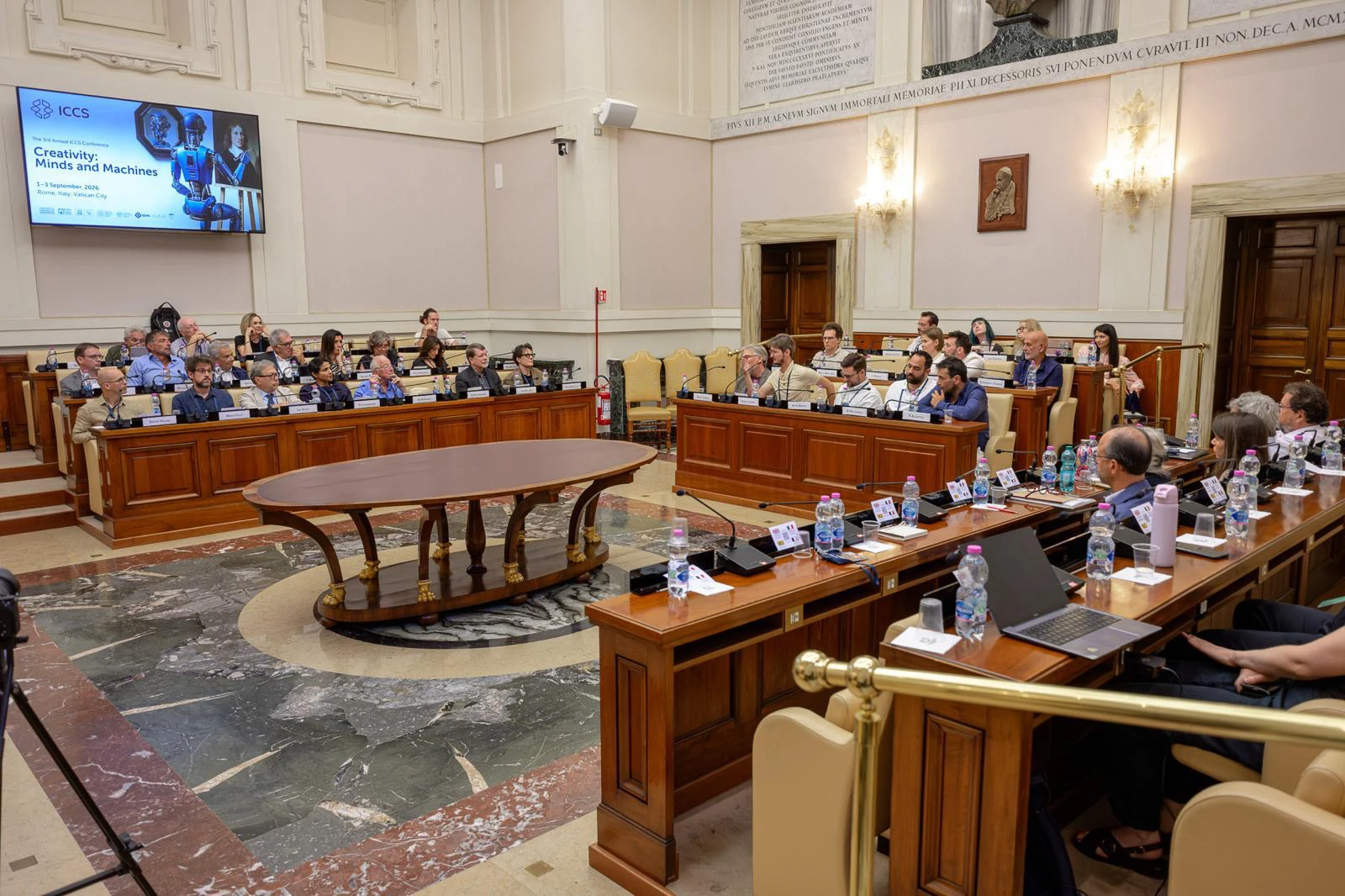
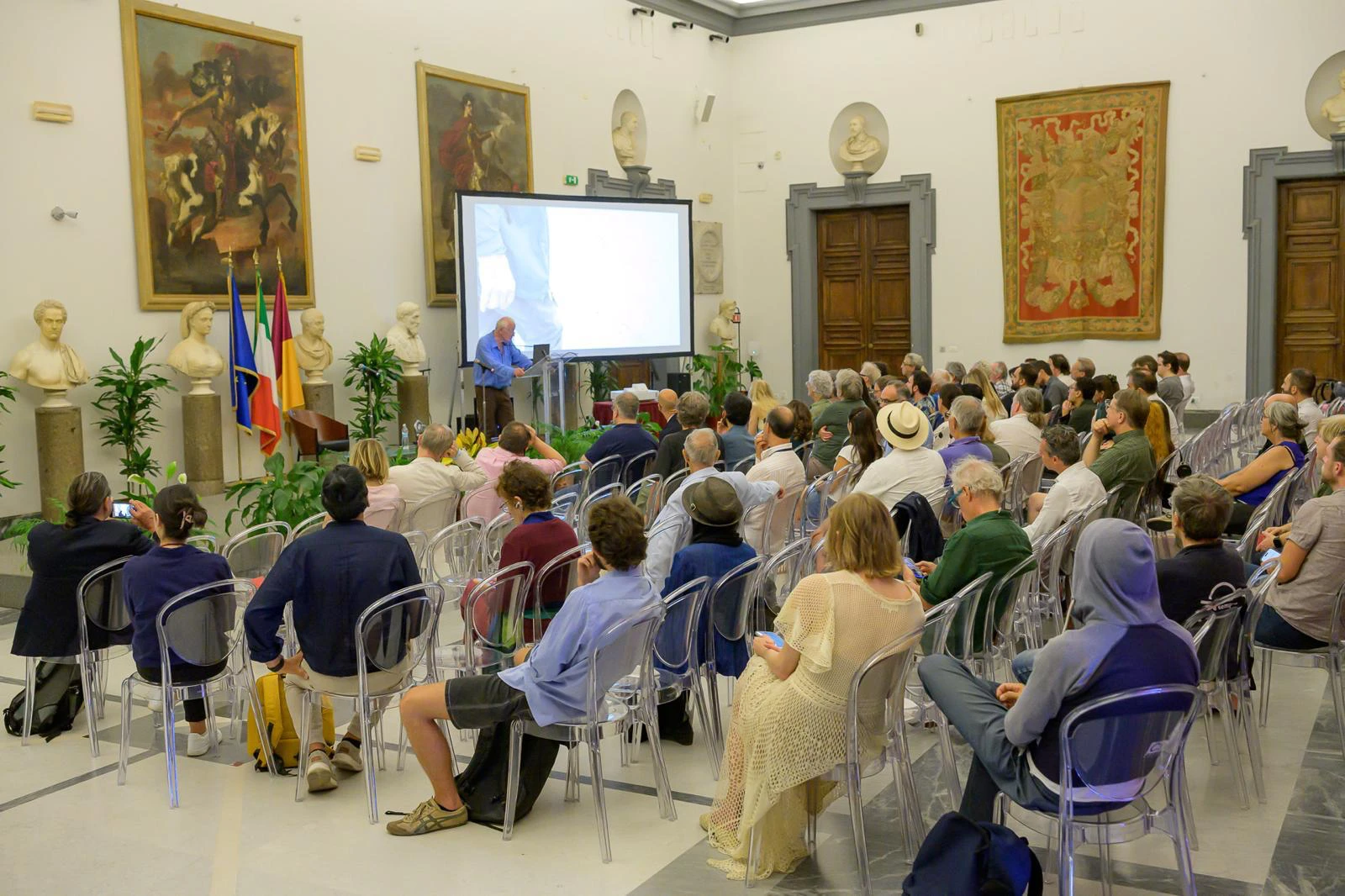
Three memorable days of philosophy, science and art, with old friends and new colleagues. The third ICCS conference brought us together in Rome and Vatican City to explore creativity in human, animal and artificial minds.
Roma Tre University · Casina Pio IV, Pontifical Academy of Sciences · Pontifical Gregorian University · Campidoglio
I came away with a question that will stay with me: will AI deepen our creativity, or multiply novelties without meaningful discontinuity? Our discussions explored how creativity reaches beyond the human case, and whether consciousness is necessary for it. The magnificent venues gave these conversations an extraordinary setting; the people made the occasion.
We closed at the Campidoglio, in the Sala della Protomoteca, with the Dennett Prize ceremony and Nicholas Humphrey's Dennett Lecture.
In my interview with Eugenio Murrali for Vatican News, I discussed artificial creativity as a collective endeavour, and the care needed to understand what machines bring to it.
Community
Co-founder of a research community bringing philosophy, neuroscience, psychology and AI into conversation around the hard problems of mind.
Visit ICCSSummer Philosophy School · Palermo 2023
Philosophers debate the future of the human mind.
With Pietro Perconti and Eric Olson: a week of lectures and conversations about mind uploading, consciousness, personal identity and technological optimism.
GAIA, by Sharon Bloom, Yaroslav Kravtsov and Artem Konevskikh, transformed the school participants into digital avatars inside a simulation—and made the experiment into a film.
Watch the avatar filmContact
For lectures, academic collaborations, interviews and public events.
Get in touch